
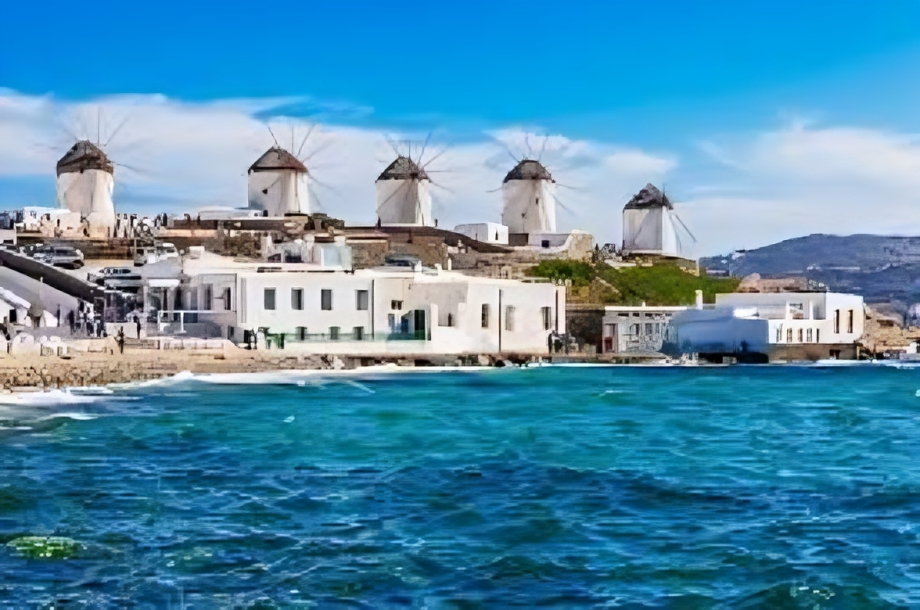
The Santorini Mykonos tourism drop has become one of the most talked-about travel trends in Greece over the past year. Once bursting at the seams with cruise passengers, luxury travelers, and partygoers, these two iconic Cycladic islands are now experiencing noticeably quieter streets, easier reservations, and a shift in visitor behavior.
For travelers, this change brings mixed emotions. Some see it as a golden opportunity to experience Santorini’s sunsets and Mykonos’ beaches without overwhelming crowds. For locals and business owners, however, the Santorini Mykonos tourism drop raises serious questions about sustainability, pricing, and the future of island tourism. Let’s break down what’s driving this decline, how it’s reshaping the travel landscape, and what it means if you’re planning a trip.
Understanding the Santorini Mykonos Tourism Drop
At its core, the Santorini Mykonos tourism drop refers to the recent decline in visitor numbers compared to the record-breaking years before and immediately after global travel reopened. Hotels that once sold out months in advance are now offering last-minute deals, and popular attractions feel far less crowded during what used to be peak season.
One major factor is rising travel costs. Airfare across Europe has increased, accommodations on both islands remain premium-priced, and inflation has made travelers more selective. Many tourists are choosing alternative Greek destinations like Paros, Naxos, or Crete, which offer similar beauty at lower prices.
Another contributor to the Santorini Mykonos tourism drop is changing traveler priorities. Today’s tourists are looking for slower, more authentic experiences. Instead of rushing through crowded hotspots, many are seeking quiet villages, nature-focused trips, and lesser-known islands. Santorini and Mykonos, long associated with mass tourism and Instagram crowds, are feeling the impact of this shift.
“People still love Santorini and Mykonos,” says a Mykonos-based hotel manager. “But travelers are now asking for value, space, and meaningful experiences. That’s a big change from a few years ago.”
Economic Pressures and Changing Travel Habits
The global economy plays a huge role in the Santorini Mykonos tourism drop. With higher interest rates and ongoing cost-of-living pressures, discretionary spending like luxury travel is often the first to be cut. These islands, known for upscale resorts and high-end dining, naturally feel this squeeze more than budget-friendly destinations.
At the same time, remote work has reshaped travel habits. Instead of short, expensive island getaways, many people are choosing longer stays in affordable places where they can work and explore. Countries in Southeast Europe, the Balkans, and even parts of Asia are benefiting from this trend, while premium islands face stiffer competition.
The Santorini Mykonos tourism drop also reflects a growing awareness of overtourism. Some travelers consciously avoid destinations they perceive as overcrowded or environmentally strained. Social media, once a powerful driver of visits, now also highlights long lines, packed viewpoints, and cruise ship congestion, influencing potential visitors to look elsewhere.
How Local Businesses Are Responding
Local entrepreneurs are adapting quickly to the Santorini Mykonos tourism drop. Many hotels have adjusted pricing strategies, offering flexible cancellation policies and bundled experiences. Restaurants are introducing more locally inspired menus, and tour operators are focusing on smaller group activities like wine tastings, hiking trails, and private boat tours.
There’s also a push toward sustainable tourism. Both islands are investing in infrastructure improvements, waste management, and visitor caps at key sites. The goal is not just to recover numbers, but to attract higher-quality tourism that benefits the community long term.
Here’s a quick look at how the tourism landscape is shifting:
| Area | Before the Drop | Current Trend |
|---|---|---|
| Hotel Occupancy | Near 100% in peak season | More availability, better deals |
| Visitor Type | Short luxury trips | Longer, experience-focused stays |
| Popular Activities | Crowded viewpoints, clubs | Private tours, nature experiences |
| Competing Destinations | Limited | Growing (Paros, Naxos, Milos) |
Despite challenges, many locals see opportunity in the Santorini Mykonos tourism drop. Fewer crowds mean better service, less strain on resources, and a chance to redefine what island travel can look like.
What the Santorini Mykonos Tourism Drop Means for Travelers
For visitors, the Santorini Mykonos tourism drop could be great news. You’ll likely find more availability at boutique hotels, easier reservations at top restaurants, and a calmer atmosphere overall. Iconic spots like Oia or Little Venice are still beautiful, but no longer feel quite as overwhelming.
This is also a chance to explore deeper. With less pressure to rush from attraction to attraction, travelers can enjoy local wineries, hidden beaches, and traditional villages. Mykonos is highlighting its cultural side, while Santorini is promoting inland experiences beyond the famous caldera views.
However, travelers should also be mindful. Supporting local businesses, choosing eco-friendly tours, and respecting community guidelines helps ensure that recovery from the Santorini Mykonos tourism drop is sustainable rather than purely volume-driven.
Comparing Santorini and Mykonos to Other Greek Islands
While the Santorini Mykonos tourism drop makes headlines, other Greek islands are seeing steady or even rising interest. Places like Rhodes, Corfu, and Zakynthos continue to attract families and budget-conscious travelers. Smaller Cycladic islands are gaining popularity for their authenticity and lower costs.
This diversification isn’t necessarily bad. Greece as a whole remains a top travel destination, but visitor flows are spreading more evenly. For Santorini and Mykonos, this means less dominance—but potentially a healthier balance.
Travel experts believe this redistribution could strengthen Greece’s tourism sector overall. Instead of relying heavily on two islands, the country can showcase its wide range of landscapes, cultures, and experiences.
A travel analyst recently noted, “The Santrini Mykonos tourism drop isn’t a collapse—it’s a correction. The market is recalibrating after years of intense pressure.”
The Role of Cruise Tourism and Day Trippers
Cruise arrivals have long shaped the rhythm of Santorini, in particular. Thousands of day visitors arriving at once created congestion without always contributing significantly to the local economy. Recent limits on cruise schedules are part of the response to the Santrini Mykonos tourism drop and overtourism concerns.
These changes aim to improve quality of life for residents while encouraging overnight stays rather than brief stopovers. Mykonos is also reviewing port management strategies to better control visitor flow and protect its fragile coastline.
By focusing on fewer but more engaged travelers, both islands hope to move away from volume-based tourism toward a more sustainable model.
Future Outlook for Santorini and Mykonos Tourism
Looking ahead, most experts don’t expect the Santorini Mykonos tourism drp to be permanent. Instead, they see a period of adjustment. As global travel stabilizes and islands refine their offerings, demand is likely to return—just in a different form.
Expect more emphasis on wellness retreats, culinary tourism, and cultural experiences. Digital nomads and slow travelers may become a bigger part of the visitor mix. Luxury will still exist, but it will be paired with authenticity and environmental responsibility.
For travelers willing to go beyond the usual postcard moments, this evolution could make Santorini and Mykonos even more rewarding destinations.
Conclusion
The Santorini Mykonos tourism drop marks a turning point rather than an ending. Rising costs, changing travel habits, and sustainability concerns have reshaped visitor patterns, giving these famous islands a chance to breathe and reinvent themselves. For locals, it’s a time of adaptation. For travelers, it’s an opportunity to experience Greece’s most iconic islands in a calmer, more meaningful way.
If handled thoughtfully, this moment could lead to a healthier tourism model—one that balances economic vitality with community well-being and unforgettable experiences.
Frequently Asked Questions
Why is there a Santorini Mykonos tourism drop right now?
The Santorini Mykons tourism drop is mainly driven by higher travel costs, global economic pressure, and changing traveler preferences toward quieter, more affordable destinations.
Is the Santorini Mykonos tourism drop permanent?
Most experts believe the Santorini Mykonos tourism drp is temporary. It’s seen as a market correction, with tourism expected to rebound in a more sustainable and experience-focused form.
Does the Santorini Mykonos tourism drop make it cheaper to visit?
In many cases, yes. Travelers can often find better hotel deals, flight discounts, and more flexible booking options compared to previous peak seasons.
How are locals affected by the Santorini Mykonos tourism drop?
Local businesses face challenges, but many are adapting by offering unique experiences, adjusting prices, and focusing on quality tourism rather than mass crowds.
Should I still visit during the Santorini Mykonos tourism drop?
Absolutely. The Santorini Mykonos tourism drop means fewer crowds, easier access to attractions, and a more relaxed atmosphere—ideal for travelers seeking a deeper connection with the islands.
If you’d like, I can also help optimize this article further with internal linking ideas, schema-friendly FAQ formatting, or a content cluster plan around Greek island tourism.
